
Prognostics
IRS combines robotic platforms specialized for high-risk industrial environments
with AI-powered predictive maintenance technology to detect equipment anomalies
before accidents occur and establish an automated inspection and response system.
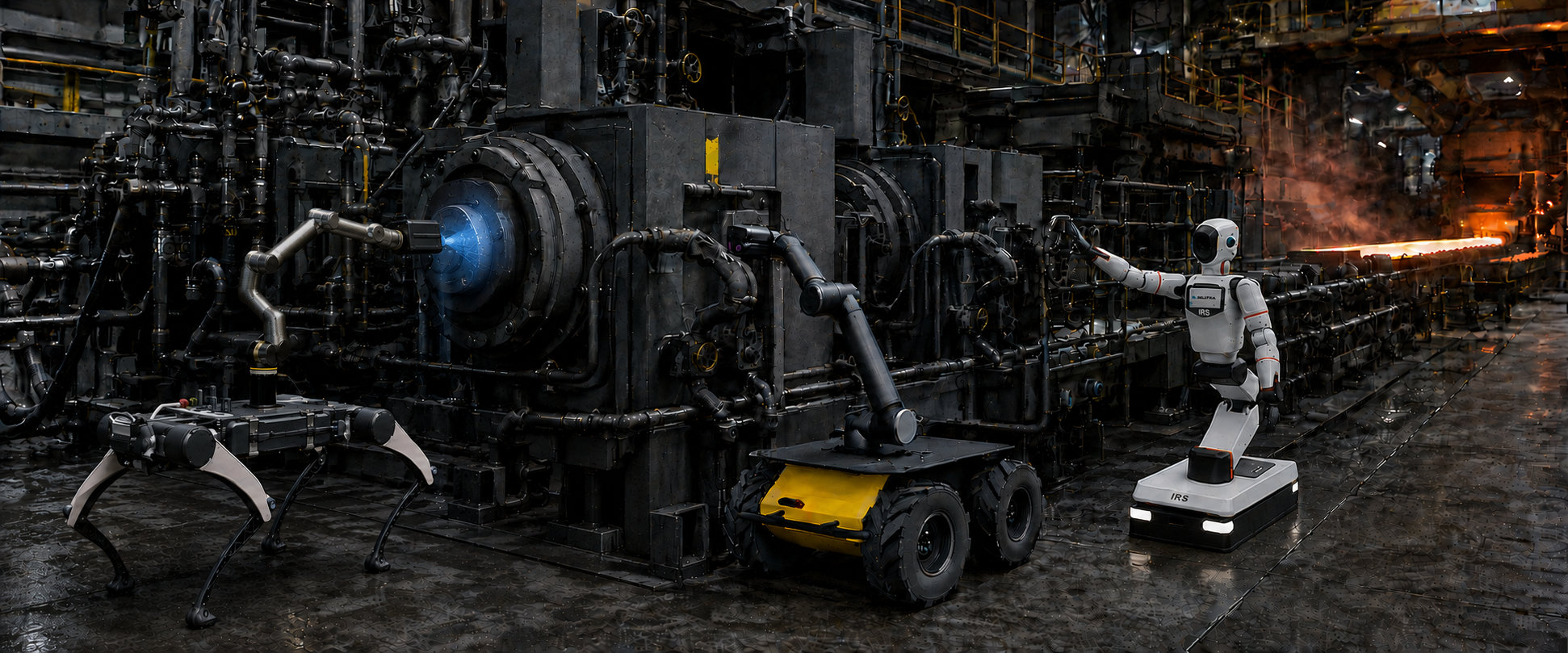
Four Robotic Platforms Tailored to Site Conditions
Select or combine the optimal platform based on terrain, accessibility, and working height.
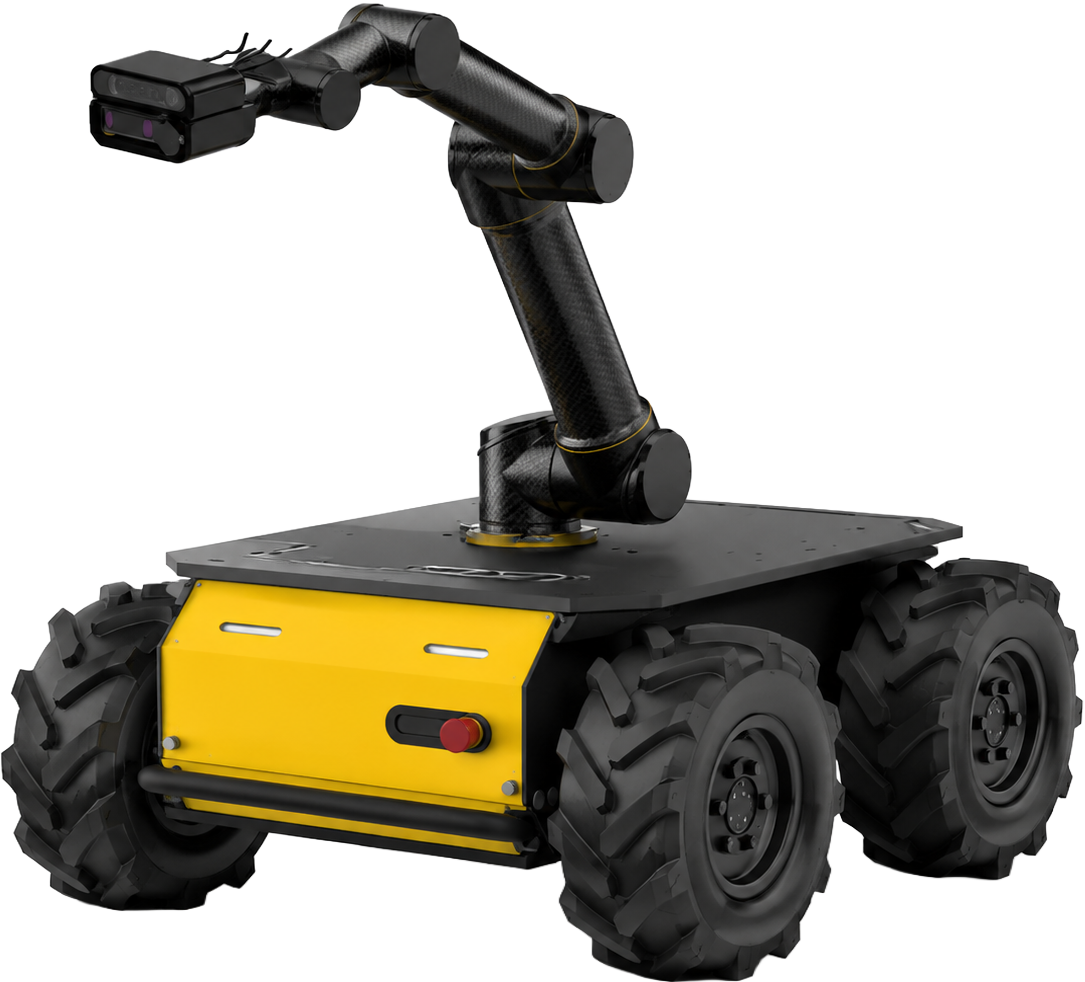
Mobile robot + articulated robotic arm + multimodal sensors
Routine patrols and inspections in flat indoor and outdoor areas
Routine patrols and inspections in flat indoor and outdoor areas
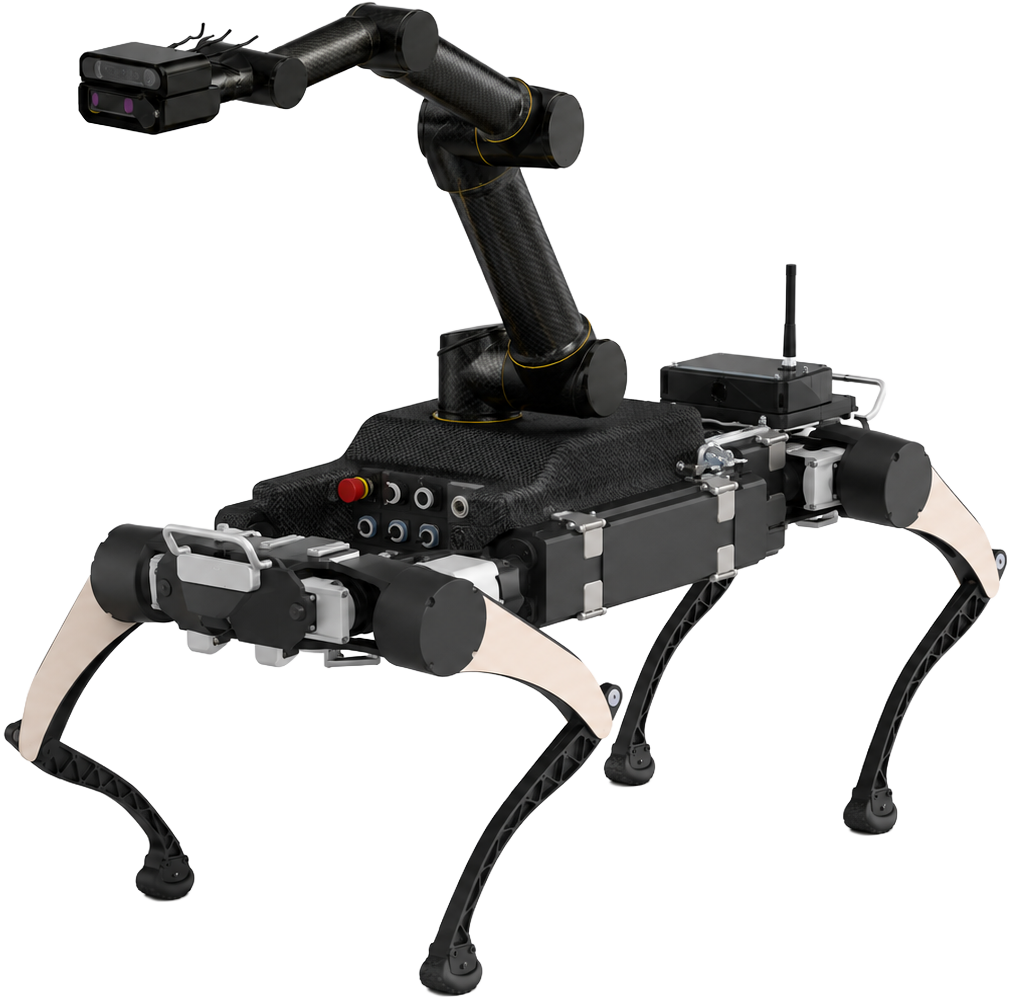
Quadruped robot + articulated robotic arm + multimodal sensors
Access to irregular and rough terrain, including stairs and piping
Access to irregular and rough terrain, including stairs and piping
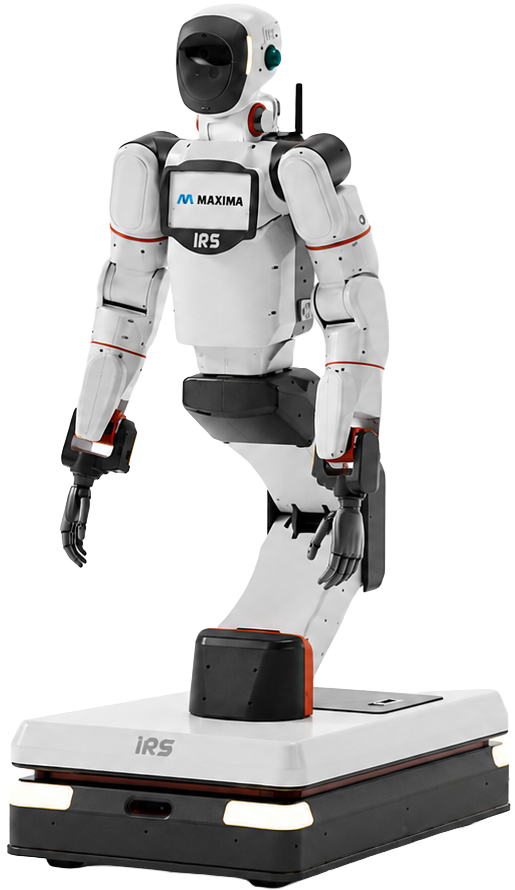
Bipedal walking + dual-arm manipulation + multimodal sensors
Designed for human-oriented pathways and equipment operation
Designed for human-oriented pathways and equipment operation
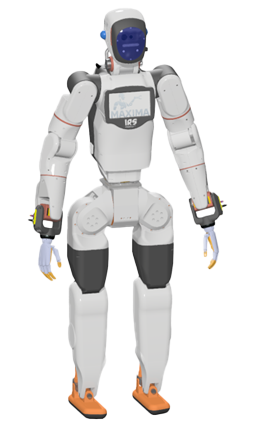
Elevating work platform + humanoid upper body
Precision inspection of elevated piping and structures
Precision inspection of elevated piping and structures
From Detection → Judgment → Response, All in One Seamless Flow

Autonomous Mobility & Access Technology
Autonomous access and patrol of hazardous, confined, and elevated areas
01

Anomaly Detection with Multimodal Sensing
Fusion of vibration, thermal imaging, acoustic, gas, and vision data
02
AI-Based Predictive Diagnosis Model
Risk assessment, inspection prioritization, and recommended maintenance timing
03
Digitization of Field Expertise
Digitalization of expert knowledge for identifying abnormal sounds and micro-cracks
04

Remote Monitoring & Alert System
Real-time alerts, data reports, and risk visualization
05
Applications
High-Temperature Equipment Inspection at Steel Mills
Patrols in Confined and Elevated Areas at Shipyards
Structural Monitoring at Construction Sites
Hazardous Gas & Pipeline Patrols in Chemical Plants
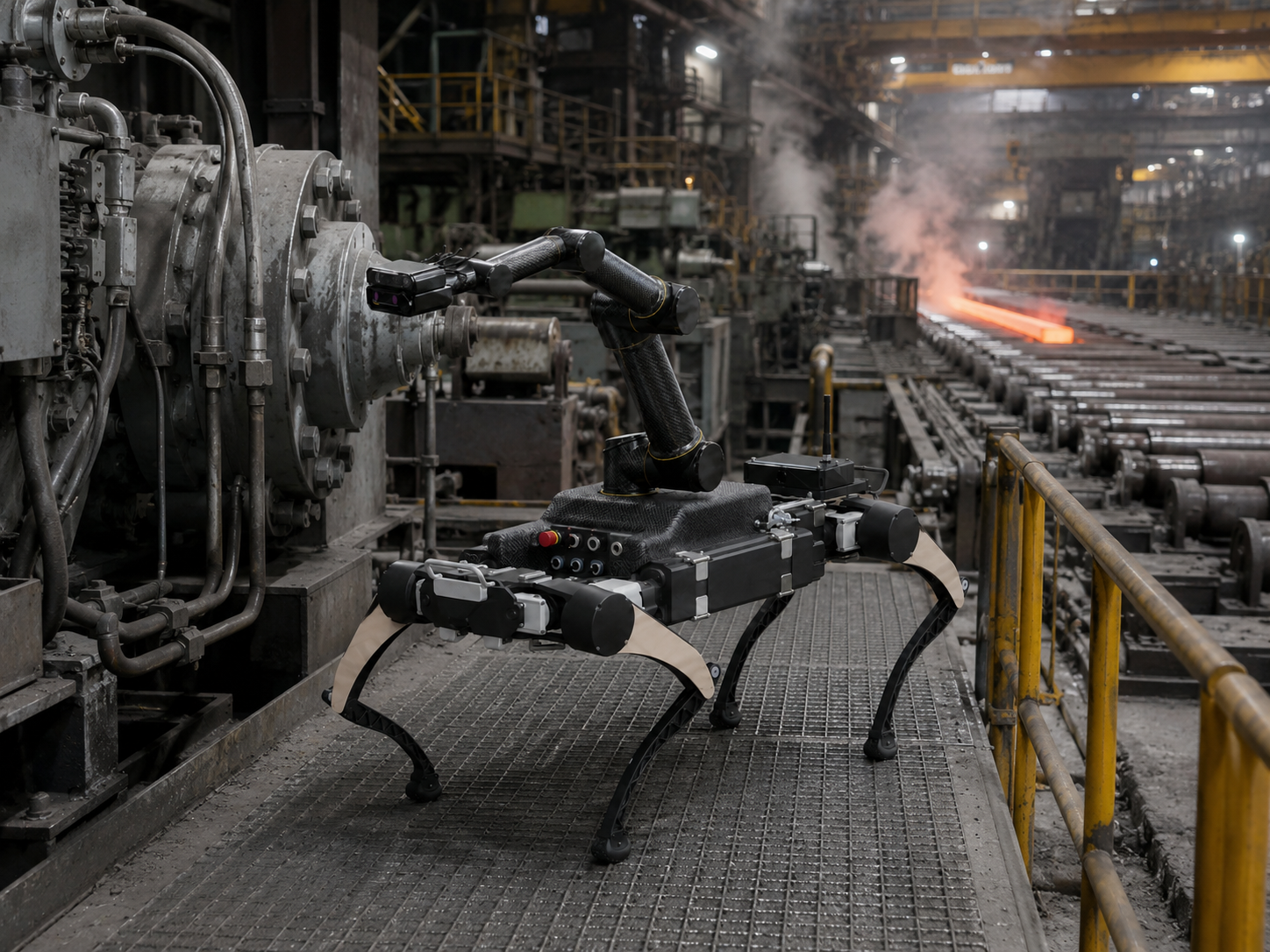
Accident Prevention
Ensuring worker safety through continuous unmanned inspections
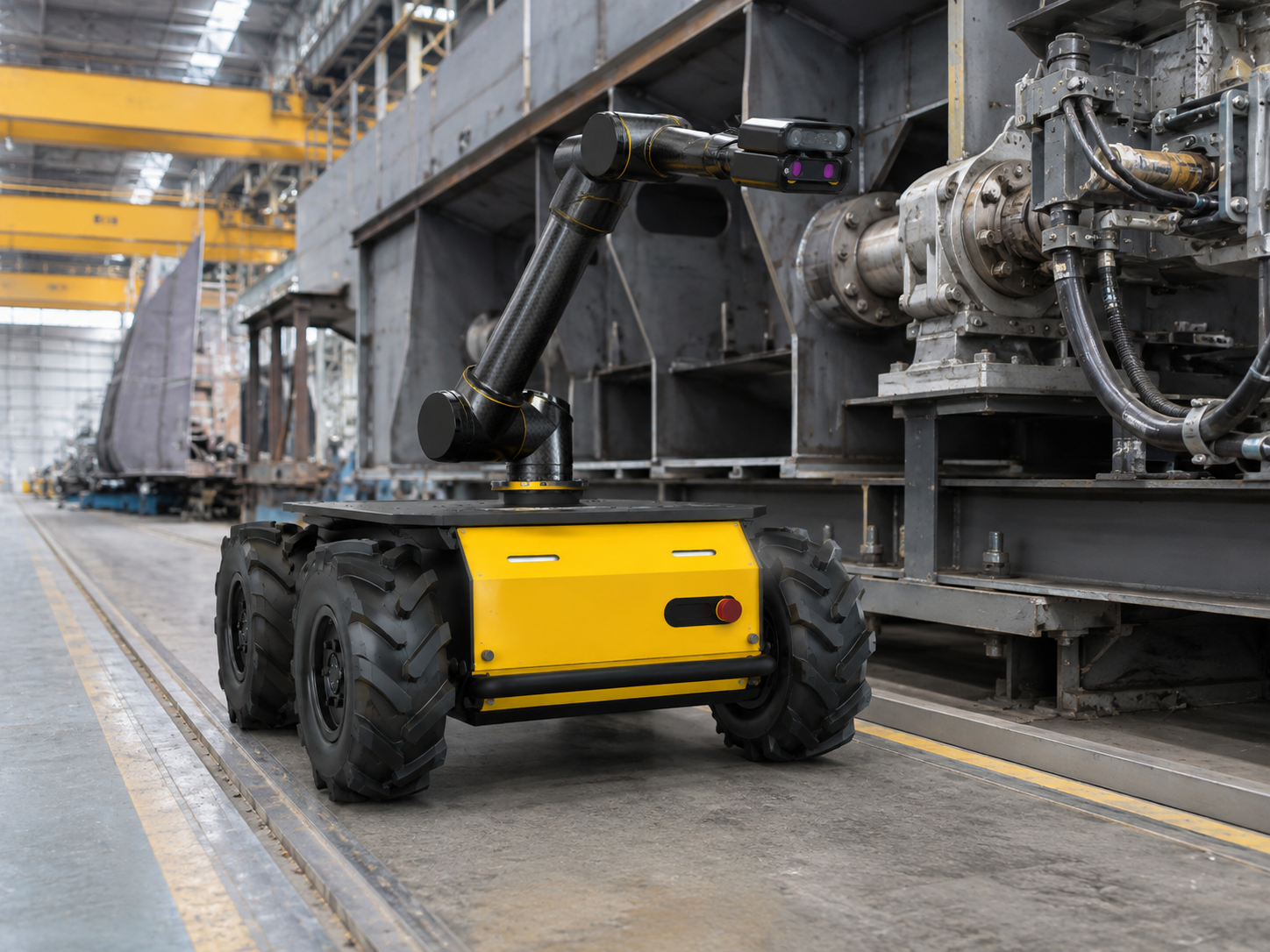
Increased Uptime
Transitioning from reactive to predictive maintenance
to reduce maintenance costs
to reduce maintenance costs
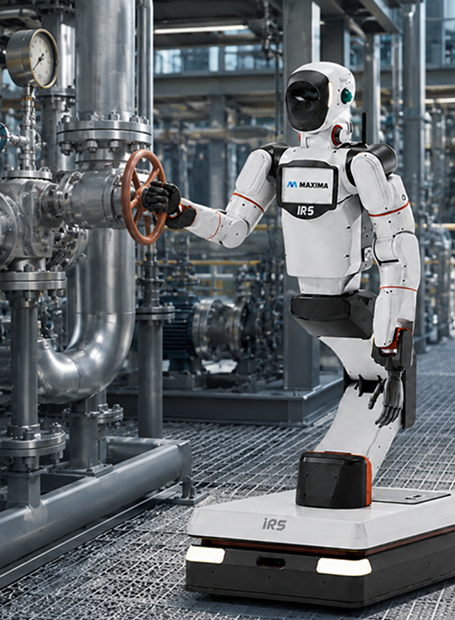
Knowledge Transfer
Transforming expert know-how into digital assets
to mitigate the risk of knowledge loss
to mitigate the risk of knowledge loss